.png)
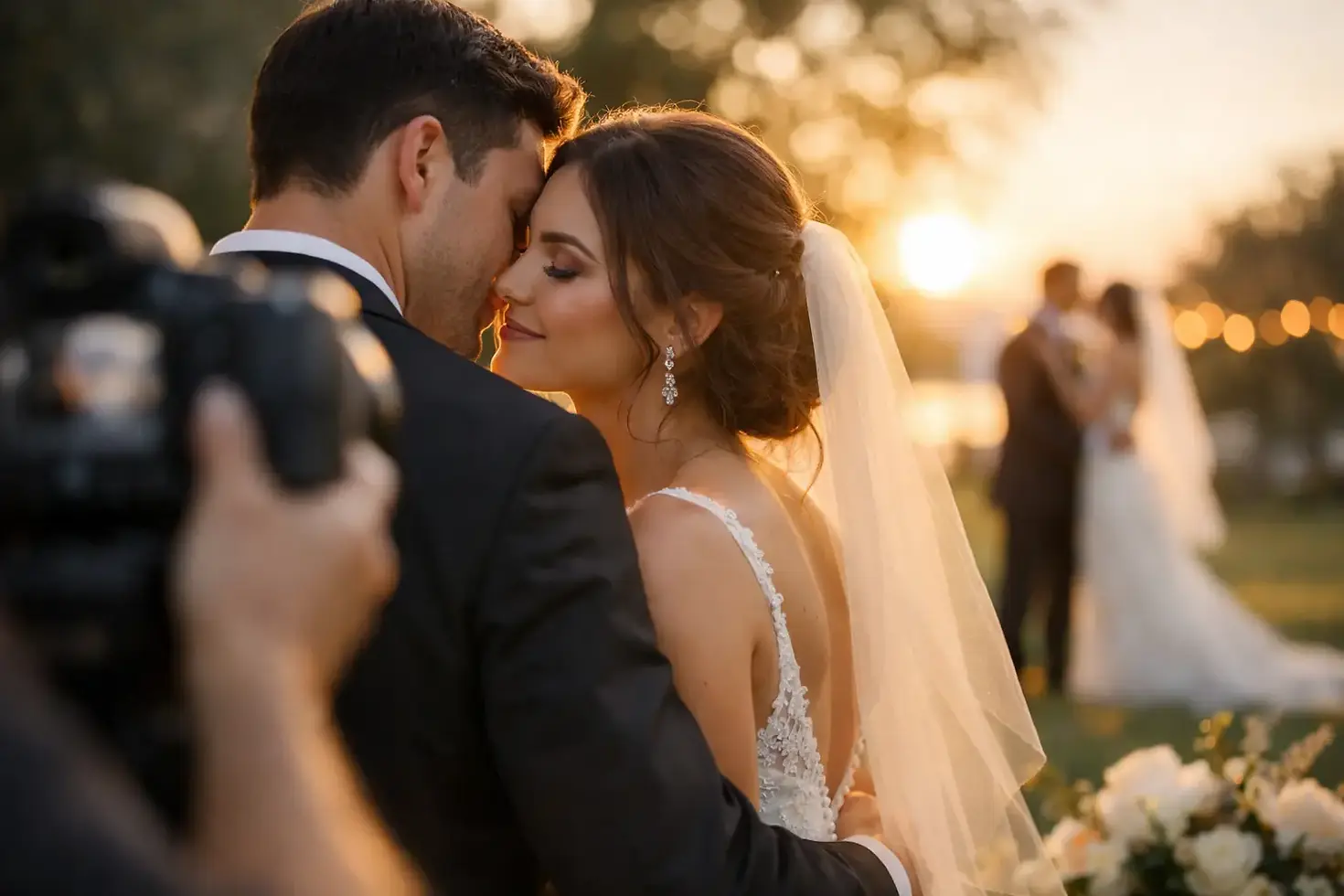
What Cinematic Wedding Photography Means
- Desert Lens Studios
- Jun 27
- 5 min read

Some wedding photos show what happened. Others make you feel like you are back in the moment - hearing the music, catching the breath before the vows, noticing the way a parent looks at their child across the room. That difference is the heart of cinematic wedding photography.
For couples who want more than standard coverage, cinematic wedding photography is about story, atmosphere, and intention. It borrows from the language of film - composition, lighting, pacing, emotion, and setting - and translates it into still images that feel immersive. The goal is not to make a wedding look staged or overly dramatic. The goal is to create photographs with depth, movement, and emotional weight, so the gallery feels less like a checklist and more like a complete visual story.
What makes wedding photography feel cinematic
A cinematic image usually has a strong sense of place and mood. It does not just isolate a couple against a pretty background. It uses the environment, the light, and the timing of the moment to say something about who they are and what the day felt like.
That can show up in obvious ways, like a wide shot of a couple framed against a West Texas sunset, or in quieter moments, like a close-up of nervous hands just before the ceremony begins. Cinematic work often balances those large, visually striking scenes with intimate details. The result is a gallery that has rhythm instead of repetition.
Lighting plays a major role. Soft window light during getting ready, directional light during portraits, candlelight at the reception, and the glow of the dance floor all create different emotional textures. A cinematic photographer sees those shifts and uses them on purpose. Rather than flattening every scene into the same look, they let each part of the day carry its own atmosphere.
Composition matters just as much. Framing, negative space, foreground elements, and perspective all help create images that feel elevated. Sometimes that means giving a moment room to breathe. Sometimes it means getting close enough to capture tension, tenderness, or joy without interrupting it.
Cinematic wedding photography is story-first
The strongest cinematic wedding photography is not built on trends. It is built on narrative.
Every wedding has its own pace, relationships, and emotional center. A photographer with a cinematic approach pays attention to those details early. They want to know what matters to the couple, who the key people are, what moments are likely to carry weight, and how the setting can support the story. That preparation changes the final result.
A wedding gallery should not feel like a random collection of beautiful images. It should feel connected from beginning to end. The anticipation of getting ready, the transition into the ceremony, the shift into celebration, the quieter pauses between the big events - these all matter. When they are photographed with intention, the final collection has flow. It brings the day back in a way that feels complete.
This is where couples often notice the difference between traditional event coverage and a more cinematic style. Traditional coverage may prioritize documenting each expected moment clearly, which is valuable. A cinematic approach still captures the essentials, but it also looks for emotional context. It asks not just what happened, but what it meant.
Style matters, but authenticity matters more
There is sometimes a misconception that cinematic means heavily posed, dark, or overly edited. In practice, it depends on the photographer.
Some cinematic wedding photography leans moody and dramatic. Some feels bright, airy, and refined. Some has a strong editorial influence, while other work feels almost documentary. The unifying factor is not one specific color grade or pose. It is the sense of story and intention behind the image.
That is why fit matters so much when choosing a wedding photographer. If a couple wants natural emotion and effortless portraits, a photographer should be able to deliver that without turning the day into a production. If they love bold visuals and dramatic scenery, the photographer should know how to create those images without losing authenticity.
The best cinematic work does both. It gives couples beautiful, polished photographs while keeping the experience grounded and real. No one wants to spend their wedding day trapped in endless photo setups. Strong direction is important, but so is knowing when to step back and let the moment unfold.
Why the experience behind the camera affects the final gallery
A cinematic result does not come from editing alone. It comes from how the day is observed, directed, and paced.
An experienced photographer knows when to guide and when to disappear into the background. They can organize portraits efficiently, communicate clearly with planners and vendors, and adapt when timelines shift or weather changes. Those practical skills are easy to overlook, but they shape everything.
When a production runs smoothly, couples stay present. They are less rushed, less distracted, and more able to enjoy the day. That calm translates into the images. Expressions look more natural. Movement feels less forced. The story has space to breathe.
This is especially important for weddings with layered cultural traditions, large family dynamics, or multiple locations. Cinematic coverage works best when there is a clear understanding of the full event, not just the portrait portion. The photographer needs to anticipate what is coming and protect the moments that cannot be repeated.
How to know if cinematic wedding photography is right for you
If you want your images to feel emotional, polished, and visually intentional, this style is worth serious consideration. It is especially appealing to couples who care about atmosphere and want their gallery to reflect more than a schedule of events.
It also tends to resonate with people who appreciate strong visual storytelling in other parts of life. If you are drawn to films, editorial imagery, architecture, light, and meaningful details, you will likely notice the value of a cinematic approach right away.
That said, there are trade-offs. Cinematic photography often requires more thought around timeline, location, and lighting. Golden hour portraits, room details, and storytelling moments do not always happen by accident. They benefit from planning. Couples who want a highly structured shot list with very little flexibility may prefer a more traditional approach. Others want a blend - clear family documentation paired with creative storytelling - and that can be the best option of all.
What to ask before booking
When reviewing photographers, look beyond the highlight reel. A strong portfolio should show consistency across a full wedding day, not just a handful of dramatic portraits.
Ask how the photographer approaches storytelling, what their process looks like before the wedding, and how they handle timelines, lighting challenges, and family coordination. Ask to see full galleries. Pay attention to whether the emotions feel genuine and whether the images still look strong in less controlled moments.
It also helps to ask how they direct couples during portraits. Some people want more guidance. Others want space to interact naturally. Neither preference is wrong, but the photographer should be able to describe their approach clearly.
For couples planning a celebration in a place like El Paso, location awareness can add even more value. A team that understands the local light, landscape, venues, and pace of events can build stronger visual stories with less guesswork. That kind of familiarity often leads to a smoother experience and a more cohesive final gallery.
The result is more than a photo collection
At its best, cinematic wedding photography gives couples a lasting record that feels elevated without feeling artificial. It captures the scale of the celebration and the quiet emotional undercurrent running through it. It preserves how the day looked, but just as importantly, how it felt.
That is why this style continues to stand out. Weddings move fast. Details blur. Emotions hit in waves. The right photographer turns all of that into images with shape, mood, and meaning.
For couples who want more than coverage, that difference lasts long after the flowers are gone and the music has faded. The photographs still carry the story forward - and that is what makes them worth creating with intention.


Comments